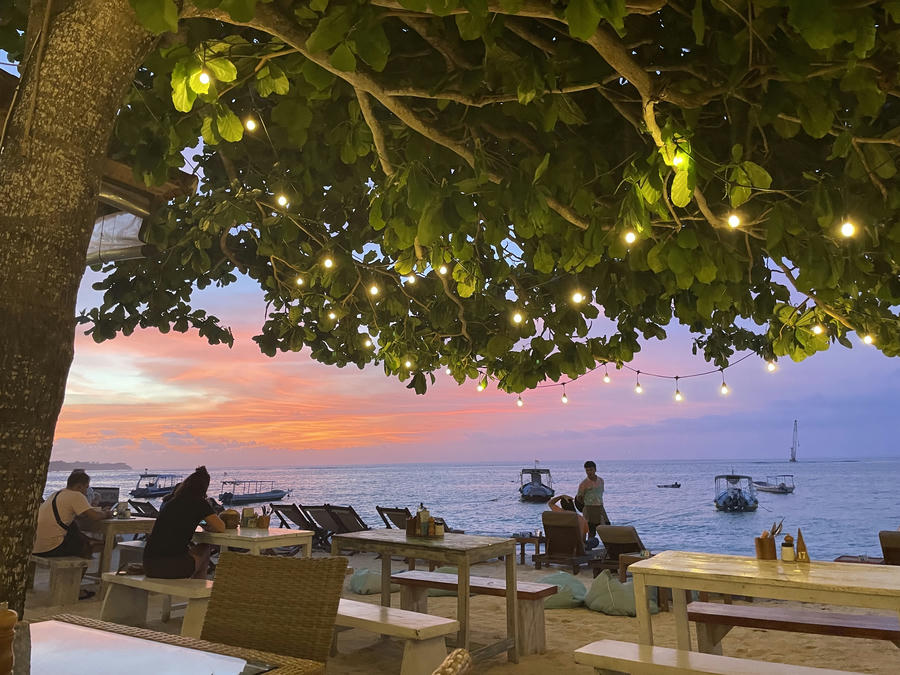
Bali has reached that strange category of places that people discuss less like geographical locations and more like ideological battlegrounds. Depending on who you ask, it is either an overdeveloped influencer colony collapsing beneath the weight of smoothie bowls or a spiritually transformative tropical island where people rediscover surfing, yoga, sunlight, and occasionally the ability to feel emotions again.
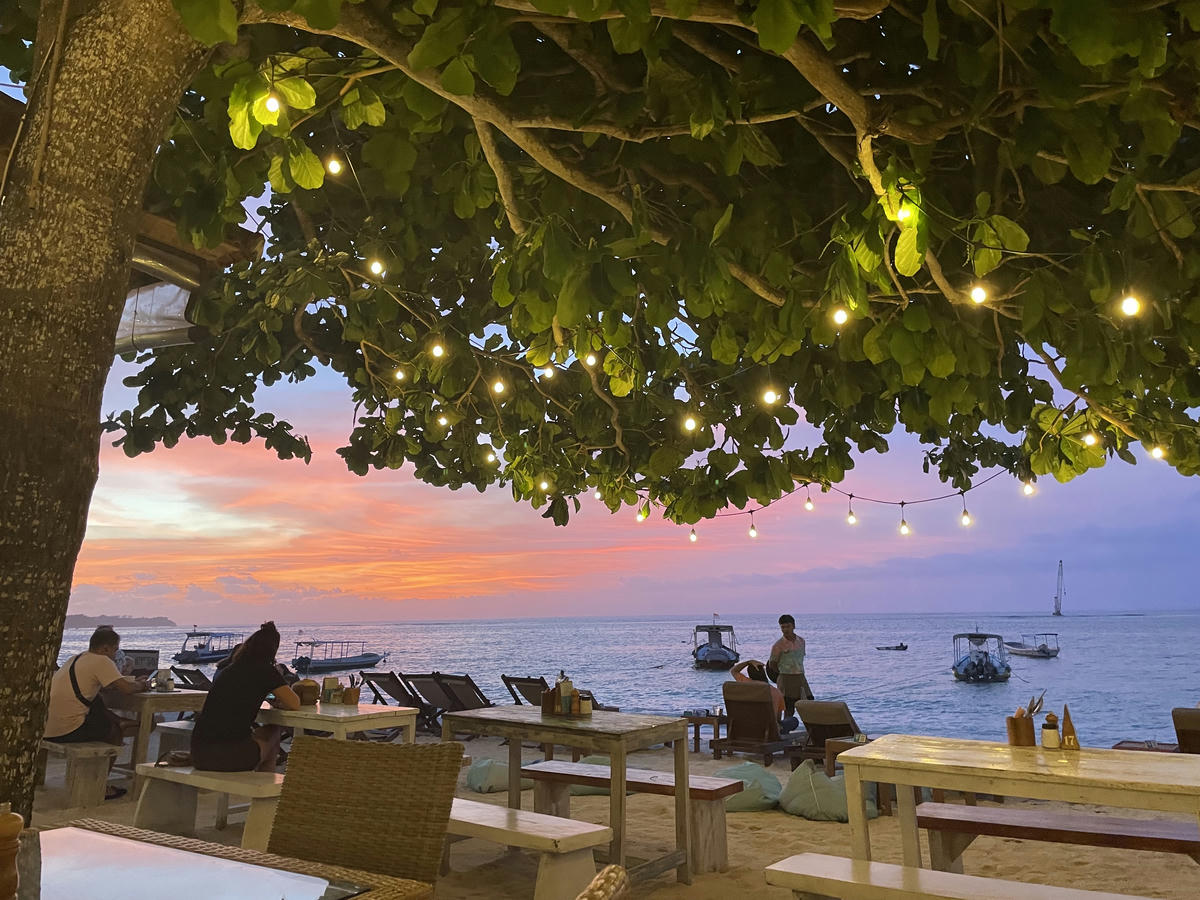
Neither version is entirely wrong, which is partly why the conversation around Bali has become so exhausting.
Somebody always returns from two weeks in Canggu announcing Bali is “completely ruined now,”. Meanwhile somebody else has just extended their visa for the third time because they accidentally became happier there than they have been in years.
And in reality, this is the real answer to the question “Is Bali still worth it?” - it depends almost uncomfortably on what exactly you are hoping the island will do for you.
Bali Is No Longer Remote, Hidden, or Particularly Difficult
This is important to understand immediately because many people arrive carrying fantasies imported directly from early-1990s travel documentaries where Bali appeared as a kind of mystical tropical refuge populated entirely by empty beaches, incense smoke, and attractive surfers with no visible source of income.
That version of Bali barely exists anymore, at least not in the places most foreigners initially land. The traffic is chaotic and construction never seems to stop. Entire neighborhoods appear to regenerate every six months into newer, shinier versions of themselves, each one containing a café with brutalist concrete walls and exactly the same font on the menu.
One thing that surprises many people about Bali is how quickly entire streets change. You come back after six months and suddenly a rice field became a wellness complex, a dirt road now has specialty coffee.
The pace feels almost surreal compared to many European cities. In Berlin, for example, somebody digs a hole in the street and it remains there for two years while committees presumably meet to establish alignment on long-term excavation goals before disappearing for summer holidays. In Bali, meanwhile, construction workers seem to materialize overnight and build an entire café before anybody has emotionally processed the noise.
And yet, absurdly, if you actually decide to build or renovate something yourself in Bali, the experience becomes much more globally familiar. Contractors disappear mid-project. Timelines drift into abstraction. Messages remain unanswered for days. Everybody confidently says that it will be more work and hence more expensive than originally expected, - in exactly the same tone contractors use almost everywhere else in the world.
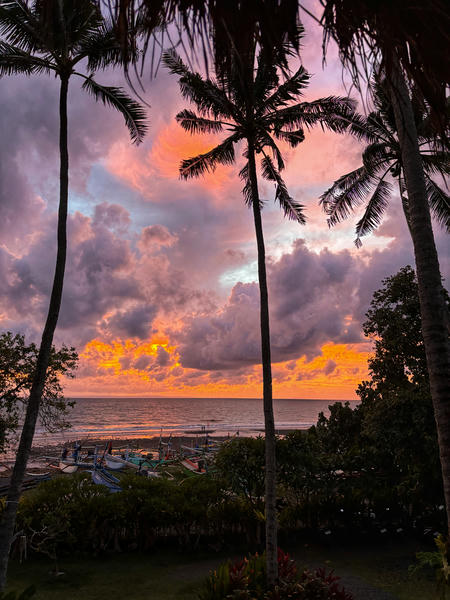
So Why Are People Staying?
Because Bali Is Extremely Good at Making Life Feel Manageable Again.
This is the part that critics often underestimate.
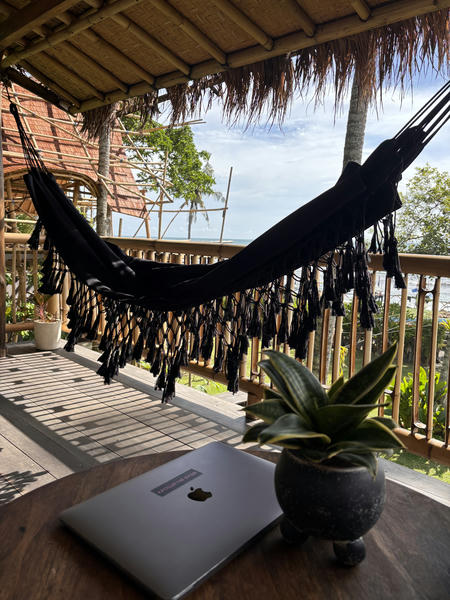
For many people arriving from expensive, cold, overstimulated cities, Bali offers a version of daily life that feels unusually frictionless. You can wake up and surf before breakfast, work from an airbnb surrounded by tropical plants, eat well for relatively little money. You can order literally everything on Grab and it will be delivered to you within 15 minutes.
That combination is not actually common: Many beautiful places are logistically exhausting. Many efficient places cab be spiritually numbing. Bali, despite all its contradictions, remains unusually good at balancing comfort, stimulation, dentists, hair salons, and social possibility within a relatively compact environment.
Which explains why so many people arrive planning to stay two weeks and then abruptly begin researching long-term villa.
The Wellness Culture
Bali’s wellness scene now exists on a spectrum ranging from deeply thoughtful to borderline performance art.
There are genuinely beautiful meditation spaces, yoga studios, sound healing sessions, and communities built around health and spirituality in ways that feel grounding and sincere.
You sit in a café in Ubud, reading ads about cacao ceremonies (what is this, people smearing cacao on themselves?), chakra cleansing, ecstatic dances, and strange people passing by like they’re already on their way to all of it. It feels surreal, almost cartoonish, but also quietly guilty - this soft escape layered over a world where things are still very real, still unjust, still happening to a community you belong to. And the question won’t fully leave you: if everyone keeps coming here to dissolve into moonlight and breathwork, who stays behind to pick up the fight?.
But perhaps this ambiguity is part of Bali’s strange aura. The island attracts seekers, performers, lost people, disciplined athletes, emotionally scorched startup founders, divorcees rebuilding their lives.
You are sure to meet some interesting people
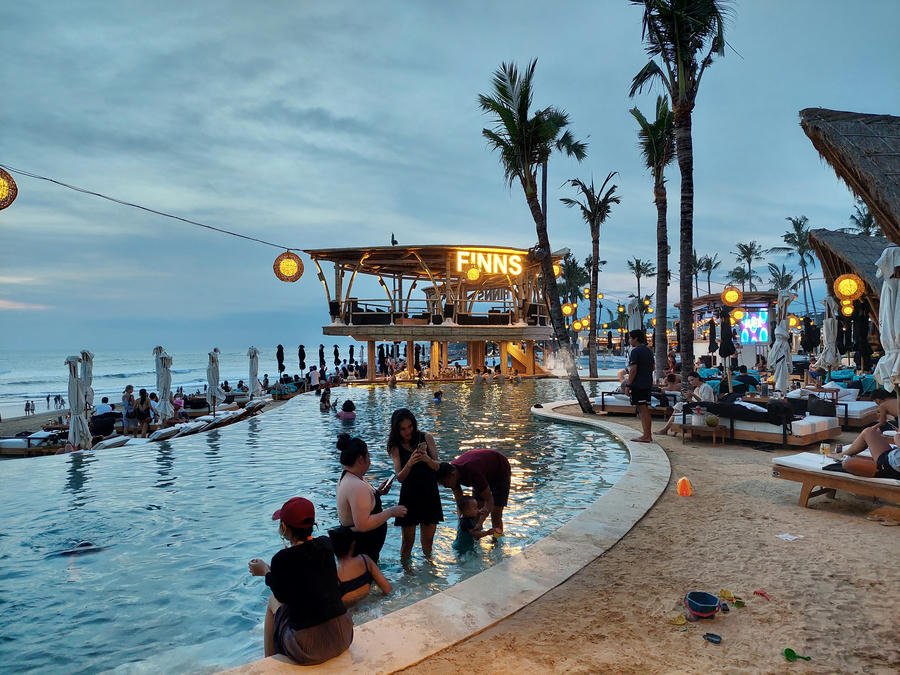
Dating and Friendship on Bali
Or maybe: Dating and Friendship in a Place Where Nobody Fully Arrives. One of the less discussed sides of Bali life — especially for people staying longer — is how transient the social atmosphere can become.
Many people are technically “just here for a few months,” except the few months slowly extend into years while their emotional availability remains trapped in airport transit somewhere between continents. That creates a dating culture which can feel unusually noncommittal
The result is that relationships often develop with a strange underlying temporariness, even when people genuinely like each other.
Friendships can feel similar. You meet people intensely and quickly because everyone is living socially accelerated lives — surfing together every morning, working from the same cafés, sharing villas, traveling together on weekends. But then visas end, somebody leaves for Thailand, another moves back to Sweden or Vermont, somebody disappears into a silent healing retreat in Ubud and never answers the messages, and the social circle rearranges itself again.
There is something beautiful about the openness of that environment, but also something unstable beneath it. After years of living on the island, you would crave stable friendships..
Maybe you’ll be lucky enough to make friends with locals, to end up often in one of their multi-family compounds, to be invited into religious ceremonies you would otherwise only pass by as spectacle. And then you start wondering whether the calmness and friendliness you feel there is connected to all those things: proximity to extended family, to community... and to religion. .
Bali and Kids
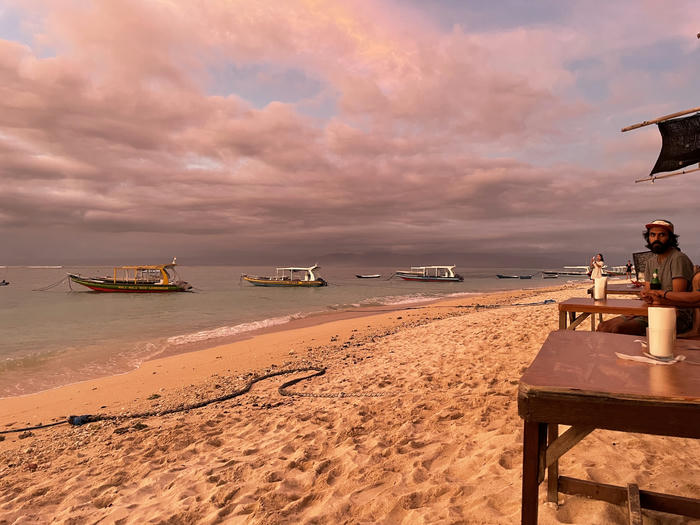
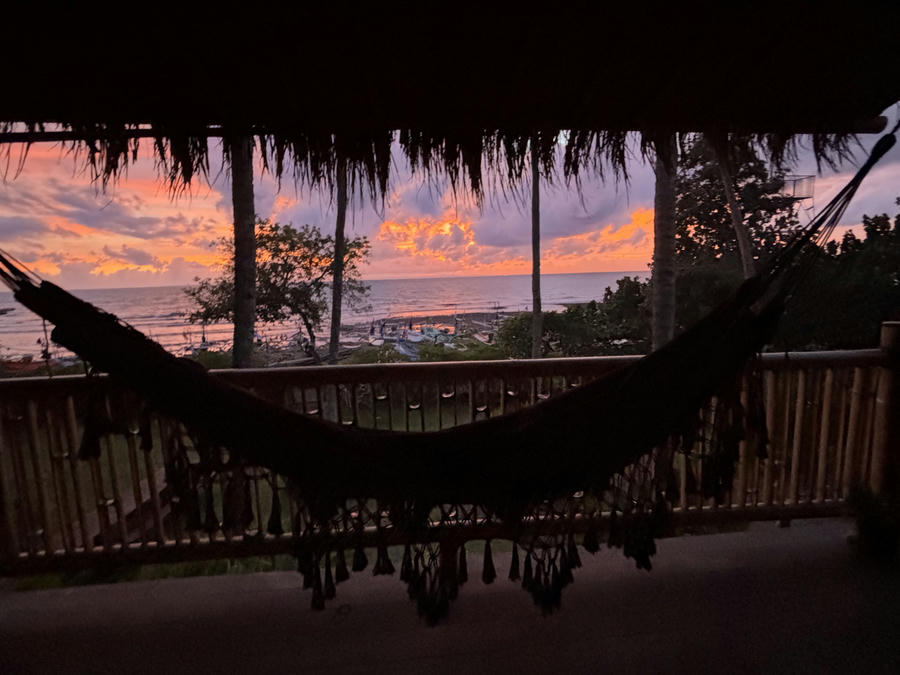
If you’re not alone, but with a child, my experience has actually been quite good. You sit in a beach bar on Nusa Lembongan, sunset coming down, surfers finishing a session and paddling in. Kids are playing on the beach - local kids, kids of other expats - just mixing in the sand like it’s normal life.
Or you walk into a beach restaurant with a toddler and the staff completely melts. Male waiters get playful, making faces, picking them up, rocking them around, genuinely happy in a way that doesn’t feel forced.
There’s none of that quiet pressure you sometimes get in Europe - like bringing a baby into public space is a problem, or like your social life just ends unless you can afford a babysitter. Here, you just bring the child. And if you do need help, a babysitter is actually affordable. Of course that comes from the big income gap between locals and nomads, which is not a simple or pretty thing. Everything has two sides.
Surfing in Bali Still Feels Slightly Ridiculous in the Best Possible Way
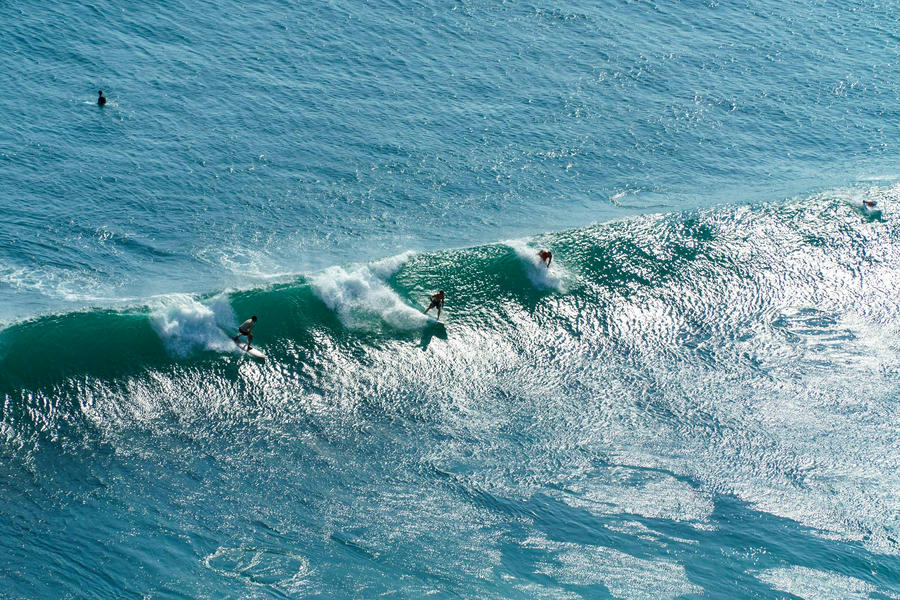
One reason surfers continue returning despite the crowds is that Bali still delivers the thing that matters most: genuinely excellent waves with extraordinary consistency. If the Surfline predicts bad surf in Uluwatu, there is Sanur and vice versa.
The water is warm enough that your body forgets what tension felt like. Mornings begin before sunrise because everyone is chasing cleaner conditions before the wind arrives. Scooters overloaded with surfboards wobble through dark roads lined with temples and half-awake cafés..
And before Bali, I had never really seen waves like this: reef breaks that peel in the same place, slow and long, where you can stay on them for a while. Hidden spots with no name, where you can ride from the takeoff all the way toward a river mouth, then walk out on hot black sand because paddling back would take too long.
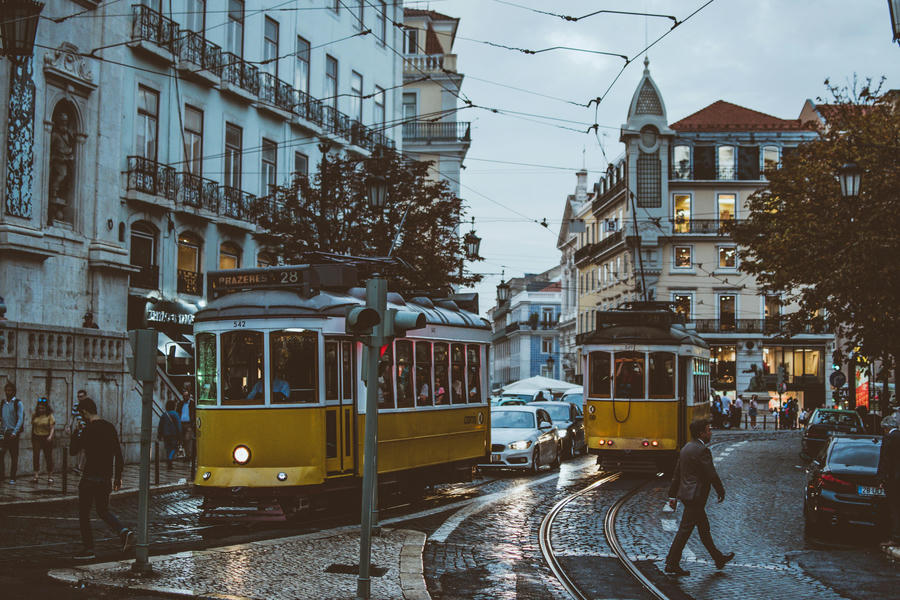
My best-performing reel is still a statement: that the waves considered “non-surfable”—not worth the effort of paddling out—were, in Portugal, my everyday surfable waves.
I also remember learning to surf in the Canary Islands: 20 people, 2 instructors. I’d already be tired just hauling my enormous foamie from the van through wind and dunes, sometimes feeling like I could call it a day’s workout without ever entering the water. A long and awkward warm-up in a circle. In the water, you might get pushed into whitewash a few times, get a couple of half-hearted tips like “paddle stronger” or “stand up,” as if I were choosing to be slow or forgetting to pop up. We saw the same dynamic in Margaret River, Australia, too - mass surf school chaos isn’t inherently a European flaw.
In Bali, for the same price, or even less than a group lesson plus wetsuit rental in Lisbon, you can get a private instructor. The difference in quality and progression is noticeable. They often pick gentle, unbroken waves for their students. They carry a client's foamie while the client carries the instructor’s shortboard setup.
And that accessibility is so tempting that you’ll often see a shortboard-riding instructor paired with a student on the same kind of shortboard.
And when it all aligns properly — warm offshore wind, long glassy waves, a morning surfer community to get to see every day, an instructor who cares — the island suddenly becomes very difficult to criticize coherently.
The Real Problem of Bali - Expectations
People don't visit Bali neutrally. Some arrive expecting enlightenment and become furious when confronted with traffic. Others arrive determined to tolerate it and then accidentally find themselves happier after three weeks of sunlight, surfing, yoga, and eating fruit that tastes like something.
The internet flattened Bali into a caricature long ago. Spiritual utopia or influencer apocalypse. Startup founders taking cold plunges. The postcard picture of temples and flower offerings.
In reality, the island contains all of it simultaneously.
Families still place offerings outside homes and shops every morning. Foreigners discuss cryptocurrency near vegan matcha stalls. The coexistence can feel messy and uncomfortable. Occasionally beautiful.
So… Is Bali Still Worth It?
Probably not if you expect purity, isolation, or fantasize about a pill to find your true self.
But maybe yes if what you are actually searching for is a place where life briefly feels softer. A place chaotic enough to remain interesting and full of opportunities, yet functional enough to remain livable.
Which suggests the island is still doing something right, even if nobody can entirely agree on what that thing is anymore.
```
Leave a comment